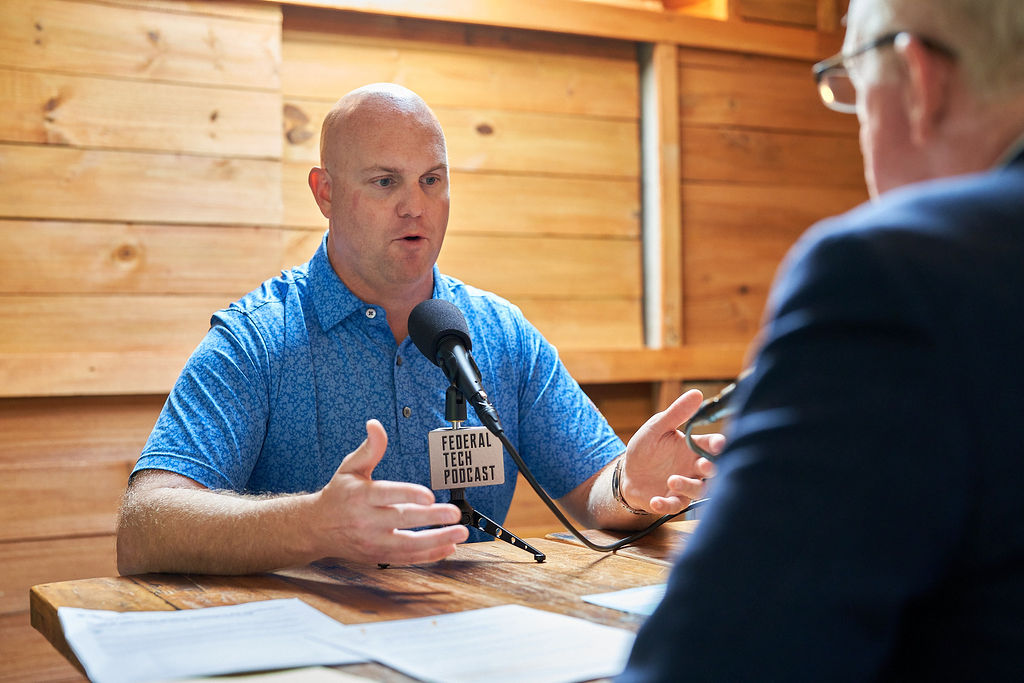
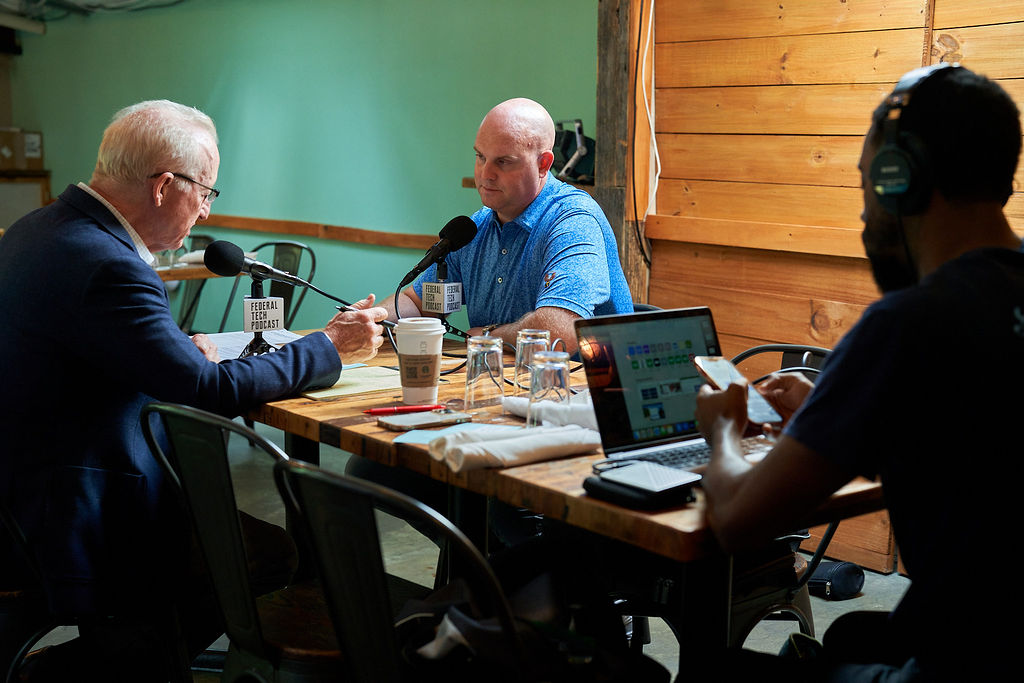
We are recording this interview at Caboose Brewing in lovely downtown Vienna, Virginia.
Once upon a time, requirements would be collected and a software team would write custom code and after a year or two, a solution would be released.
This seems like the Land of Oz.
Today’s software developers grab code off the shelf, assemble it, and then deploy it. Then iteration after iteration must be evaluated and deployed in a world of constantly changing system requirements and cyber attacks.
Let us not forget testing must be included in each phase. There is functional testing, performance testing, checking for data integrity, mobile testing, and let us not forget user interface testing. In the federal world, consideration must be given to compliance. In the intelligence sphere, this is all taken up a notch.
Modern software development is a marathon with a constantly changing course and a never-ending finish line.
"For the past 20 years software testing has always been around. However, it's has been cumbersome, lengthy and it's been very manual "
Today, we sat down with Adam Rosenbaum from Tricentis to examine the role of testing in this arduous process. He suggests that the custom part of coding prevalent years ago should be applied to automating testing.
This way, application testing can be automated using custom built-for-purpose solutions to verify functionality and performance. Adam Rosenbaum looks at a no code, low code approach to relieve some of the burden of excessive testing demands.
Two main benefits of automated testing are to be able to do several tests at once and that time can be used to free up developers for other human-based analytical work.
If you enjoyed this episode, then you may want to listen to